
The Licensing Letter recently took a close look at the state of food and beverage licensing, and the picture it paints is one of a market in transition. Sales are softening, consumers are buying more private-label products, and retailers are being far more selective about what earns space on their shelves.
In the middle of all this change, we at Broad Street Licensing Group have offered some much-needed clarity about what’s actually happening and what brands should be doing right now.
A Market Feeling the Pressure
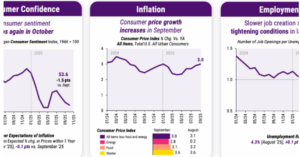
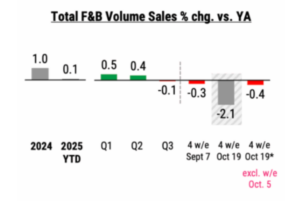 As The Licensing Letter reported, the combination of inflation, tariffs, and a shaky labor market has led consumers to tighten their budgets. Circana data from October shows only a small drop in food product volume, but the shift in behavior is clear: shoppers are choosing lower-cost options, and they’re buying more store brands than ever.
Peter Cross, BSLG’s VP of Strategic Partnerships, put it bluntly: uncertainty is driving nearly every decision consumers make. When people feel unsure about the economy, they cut back on anything that feels optional—including many licensed food and beverage products.
Retailers Are Asking for More—and Accepting Less
One of the biggest takeaways from the article is how dramatically retailer expectations have changed.
It’s no longer enough for a brand to bring a recognized name and a decent product. Retailers want items that genuinely stand out, fill a real gap in their set, and offer a better customer experience. They also expect manufacturers to show up with:
- Solid digital capabilities
- Real shopper-marketing support
- Clear performance projections
- A full marketing plan—not just packaging and a sell sheet
And because retailers are pushing back on price increases, manufacturers are being squeezed as well. Margins are tighter, stakes are higher, and mediocre innovation simply isn’t making the cut.
Private Label Takes the Lead—But Not Everywhere
While private labels are having a moment, one part of the licensing world is still gaining traction: restaurant-branded products.
Consumers may be cutting back on discretionary spending, but they still want the flavors they love. Products like Subway’s retail sauces show how strong restaurant licensing can be, even when the broader category slows down. People enjoy bringing those familiar experiences home, and that demand isn’t disappearing.
Why Licensing Still Matters
Despite the headwinds, Cross made an important point in The Licensing Letter: licensing remains one of the fastest ways for companies to bring something fresh to the aisle.
Instead of investing years in product development, licensing allows brands to partner with trusted names, ride cultural trends, and get to market much faster. In a time when consumer interests shift quickly, speed isn’t just helpful—it’s essential.
A Slowdown, Not a Stop
We feel the current dip in licensing activity is temporary. Food and beverage licensing has always moved in cycles. When the economy tightens, value-added products slow down. When conditions improve, the category rebounds—often quickly.
Cross’s advice for brands is simple: don’t abandon licensing just because the moment is difficult. The companies that keep innovating now will be the ones retailers turn to when the pendulum swings back.
And it will swing back.
Moving Forward
Even in a tougher market, our role hasn’t changed. The firm continues to help brands build licensing programs that meet retailer expectations, connect with consumers, and stand out in crowded categories. Their experience across top national brands gives them a clear understanding of what actually works at retail—something that matters more than ever.
For brands looking to expand or refresh their licensing strategy, this is a moment to refine, not retreat.
To learn more about how Broad Street Licensing Group supports food and beverage licensing programs, visit bslg.com or reach out to their team to explore new opportunities.