
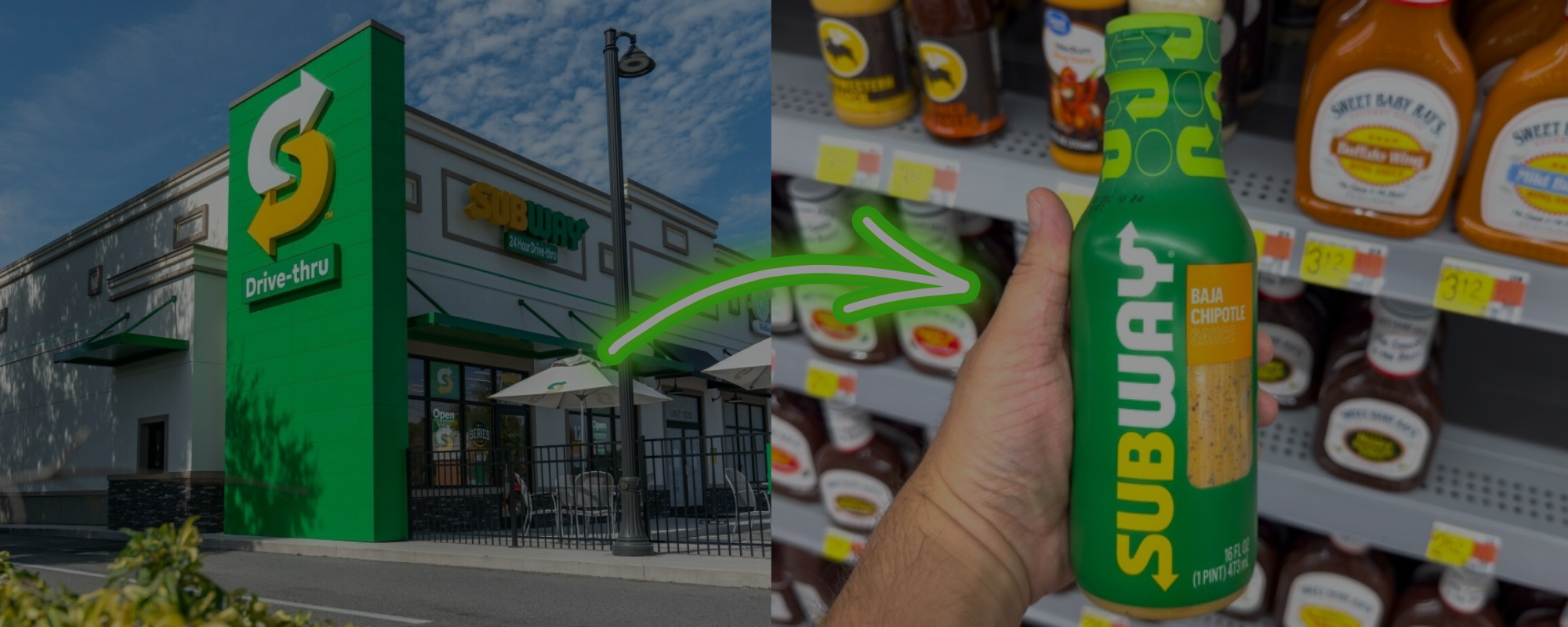
Restaurant brands have a natural advantage in retail licensing. Consumers already know the flavors, recognize the brand identity, and want convenient ways to enjoy signature items at home. Retailers are aware of this and actively seek strong culinary brands for their shelves.
However, moving from restaurant to retail requires more than packaging a popular menu item. Success comes from thoughtfully adapting the brand experience for the retail environment while maintaining consistency and quality.
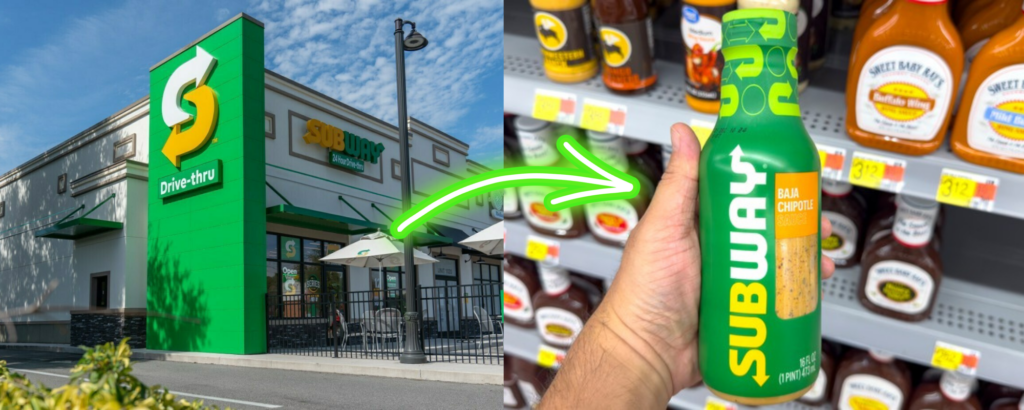
1. Choose the Right Product(s)
A best-selling menu item does not automatically translate to retail success. It’s important to evaluate:
- What is the manufacturing feasibility and scalability of that item at retail?
- The ingredient integrity and shelf stability
- Competition within the retail category
- How consumers shop the aisle
- Packaging and product format requirements
Restaurants often achieve retail success by licensing their popular sauces, seasoning blends, side dishes, and companion products rather than by fully replicating meals. But another avenue to consider: revamping popular discontinued items by offering them at retail rather than in-store.
2. Make Flavor Integrity the Top Priority
Authenticity is essential. A retail product must deliver the same core flavor profile that consumers expect from the restaurant. Cutting corners will ultimately end with a bad experience with fans and new consumers and harsh criticism of the brand.
This requires finding a manufacturing partner with:
- Strong culinary R&D
- Expertise in the specific food category
- High-quality ingredient sourcing
- Rigorous consistency standards
- Proven production processes
When flavor integrity is protected, consumer trust and repeat purchases naturally follow.
3. Use Packaging to Tell the Brand Story
Restaurant brands have built-in emotional power with consumers, so retail packaging must communicate this instantly.
Strong retail packaging includes:
- Signature brand colors and visual elements
- Menu-inspired naming and story cues
- Flavor call-outs and sensory language
- Clear and simple instructions to recreate the experience at home
- A cohesive brand narrative that reflects the dining experience
Consumers should recognize the brand within seconds of seeing the product.
4. Choose the Right Retail Partners
Not all retailers are the same. The right partner can accelerate success dramatically.
Ideal partners:
- Understand restaurant brands and their bold flavors
- Have a strong distribution network and marketing support
- Have an understanding of retail trends
- Have the ability to align with your brand
- Have a track record of supporting licensed food programs
Strategic retail placement often matters more than broad distribution.
5. Protect Brand Quality Across Every Touchpoint
Consistency is everything. Protecting your brand requires clear standards for:
- Ingredients and sourcing
- Flavor accuracy and sensory testing
- Packaging design and brand messaging
- Manufacturing quality
- Retail performance expectations
- Regular review and testing cycles
Every product on the shelf should strengthen your brand, not dilute it.
What Successful Restaurant-to-Retail Programs Have in Common
Across successful programs, several traits consistently show up:
- Authentic, recognizable flavors
- Memorable brand storytelling
- Strong alignment with at-home consumption habits
- Experienced, collaborative partners
- Data-driven decisions around category and product fit
These elements combine to create retail longevity, not one-time novelty.
Restaurant-to-retail licensing offers a powerful opportunity to extend your brand, reach new audiences, and create durable new revenue streams. With the right strategy and partners, your signature flavors can become high-performing retail products that resonate nationwide.
Thinking about taking your restaurant brand into retail?
Broad Street Licensing Group has guided restaurant brands through successful retail expansions for more than 30 years.
Let’s explore how to bring your brand to store shelves with confidence