
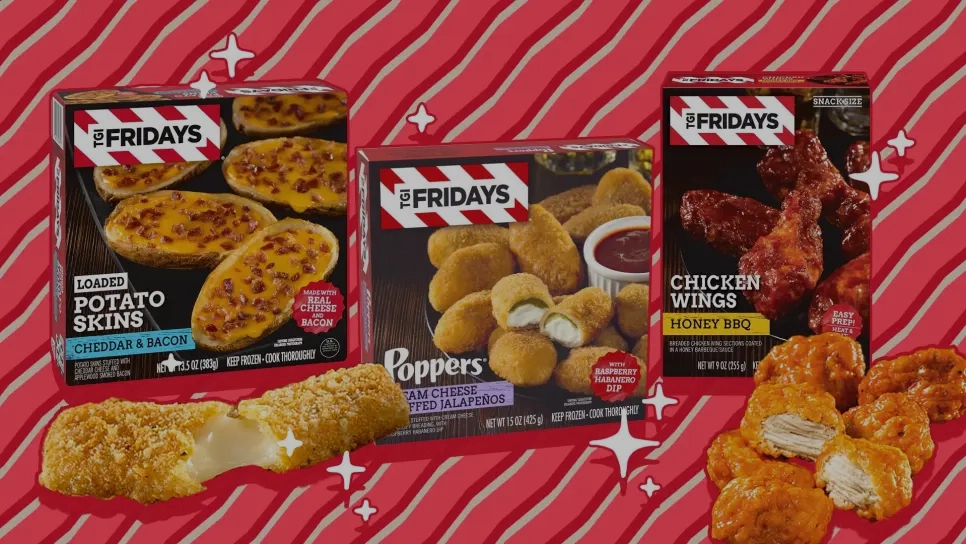
What does it take for a restaurant brand to succeed on the grocery shelf?
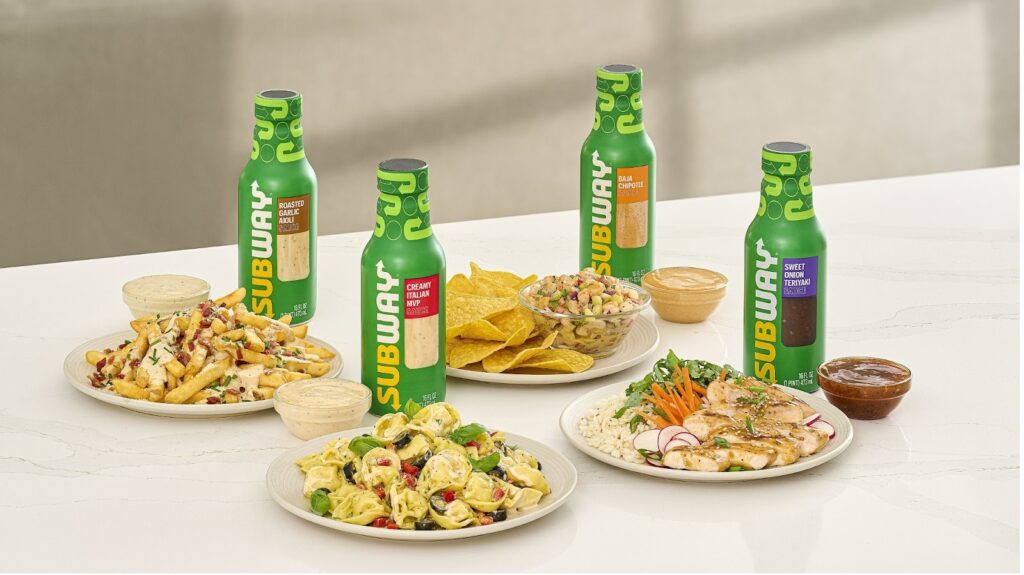
What is the secret formula for a restaurant brand trying to conquer the grocery store? It’s a question that has defined the last three decades of food innovation. While many try, the transition from a hot kitchen to a frozen or packaged format is fraught with risk. However, for those who partner with seasoned experts, the grocery shelf isn’t just a secondary revenue stream—it becomes a cornerstone of the brand’s identity.
At Broad Street Licensing Group, we’ve spent the past 30 years navigating this exact landscape. Having steered global icons like Subway and Burger King into retail, we’ve seen firsthand that success requires more than just putting a logo on a box; it requires a deep understanding of the CPG (Consumer Packaged Goods) ecosystem.
The White Castle Blueprint: A Lesson in Vision
The journey of restaurant-to-retail often points back to 1987, when White Castle’s then-CEO Bill Ingram noticed a peculiar trend. Guests weren’t just dining in; they were ordering dozens of sliders specifically to freeze them at home. Ingram saw an opportunity where others saw an obstacle. Despite skepticism from manufacturers who thought the process was too complex, White Castle built its own infrastructure.
Today, the White Castle retail arm accounts for roughly 25% of the company’s total earnings. It serves as a vital bridge to customers who live outside the brand’s physical footprint in the Midwest or New York.
“In the world of retail, physical boundaries shouldn’t limit a brand’s reach,” says Peter Cross, Vice President of Strategic Partnerships at Broad Street Licensing Group. “If there’s a freezer door in the aisle, there is a strategic opening for a brand to claim its territory. Our goal is to ensure that when a fan moves away from their favorite local spot, the brand follows them home.”
Navigating the Modern Economic Climate
The urgency for restaurants to enter the CPG space has never been higher. As consumers tighten their belts and pivot toward home-cooked meals, they still crave the “indulgence” of their favorite restaurant flavors. Retailers are responding by clearing space for restaurant-style products, knowing that a familiar logo provides a sense of quality that generic brands lack.
This shift, which shifted into high gear during the 2020 lockdowns, is no longer a temporary survival tactic—it is a permanent industry pillar.
“The current market is driven by a search for value without sacrificing the experience,” notes Carole Francesca, President of Broad Street Licensing Group. “Retailers are actively seeking out brands that carry that ‘restaurant-style’ prestige because it signals a higher level of flavor and quality to a shopper who is trying to save money by not eating out.”
Case Study: The 2026 Dutch Bros Expansion
Even newer players are recognizing the power of the grocery aisle. In early 2026, the drive-thru giant Dutch Bros launched its “Dutch Bros at Home” line. By rolling out signature coffee grounds, pods, and ready-to-drink lattes through Amazon and major retailers like Walmart and Albertsons, they are meeting their “rebel” fanbase exactly where they shop.
The challenge for Dutch Bros was recreating the high-energy, customized “broista” experience in a shelf-stable bottle. They focused on their most iconic flavor profiles, like the Golden Eagle and Annihilator, to ensure the brand’s soul remained intact.
“The retail shelf shouldn’t compete with the brick-and-mortar location; it should act as a force multiplier,” explains Peter Cross. “When we help a brand transition to CPG, we focus on strengthening that existing connection. It’s about being present in the consumer’s daily routine, whether they are at a drive-thru or in their own kitchen.”
The Häagen-Dazs Effect: Consistency is King
While most brands attempt to go from restaurant to retail, Häagen-Dazs often works in reverse. With $1.5 billion in annual CPG sales, the brand is a grocery titan that uses its “scoop shops” to deepen the sensory experience. Their shops serve as a “halo,” reinforcing the premium nature of the pints found in the freezer aisle.
Whether it is a synchronized product launch or using shops as a testing ground for new flavors, the core of their success is an obsession with consistency.
“Whether a customer is grabbing a pint in the Midwest or a hand-scooped cone in Brooklyn, the flavor promise must be identical,” says Peter Cross. “Success in licensed food and beverage products depends on a rock-solid brand foundation. You have to know exactly what makes your brand or the brand you are licensing for your product unique and protect that identity fiercely as you scale across different channels.”
Why Experience Matters
Entering the retail market is a high-stakes move. Grocery buyers are notoriously selective, demanding to know exactly what a new product brings to their shelves that isn’t already there.
With 30 years of experience, Broad Street Licensing Group understands firsthand the strategic shield brands and manufacturers need to enter this arena. We know that while the temptation is to “go everywhere,” the real win comes from deliberate, thoughtful distribution.
“It isn’t just about getting on the shelf; it’s about staying there,” Carole Francesca concludes. “At Broad Street, we use our decades of history with world-class restaurant brands like Subway and Burger King to ensure that every move a restaurant brand makes into the grocery space is calculated, professional, and built for long-term profit.”