
Food and beverage licensing can be one of the most effective ways for brands to expand into new categories, increase retail presence, and generate additional revenue. However, not every licensing program delivers the expected results.
Many licensing failures can be traced back to a handful of common mistakes that weaken brand equity, limit retail success, and create challenges for both brands and manufacturers.
Understanding these pitfalls can help companies build stronger licensing strategies and maximize long-term growth.
Mistake #1: Choosing the Wrong Product Category
One of the most common mistakes in food and beverage licensing is expanding into categories that don’t align with the brand.
Just because a category is growing doesn’t mean it’s the right fit. Successful brand extensions feel natural to consumers and reinforce what the brand already represents.
Before pursuing a licensing opportunity, brands should ask:
- Does this category align with our brand identity?
- Will consumers see this product as a logical extension?
- Does it support our long-term growth strategy?
When category selection is driven solely by short-term trends, brands risk confusing consumers and diluting their market position.
Mistake #2: Partnering with the Wrong Licensee
A licensing agreement is only as strong as the partner behind it.
Many brands focus heavily on revenue projections while overlooking critical factors such as manufacturing expertise, quality standards, distribution capabilities, and retail relationships.
The right licensing partner should offer:
- Proven manufacturing capabilities
- Strong quality control processes
- Established retail relationships
- Experience managing licensed brands
- The ability to scale production as demand grows
A weak partner can damage brand reputation, create operational issues, and limit retail success.
Mistake #3: Inconsistent Packaging and Brand Presentation
Consistency matters.
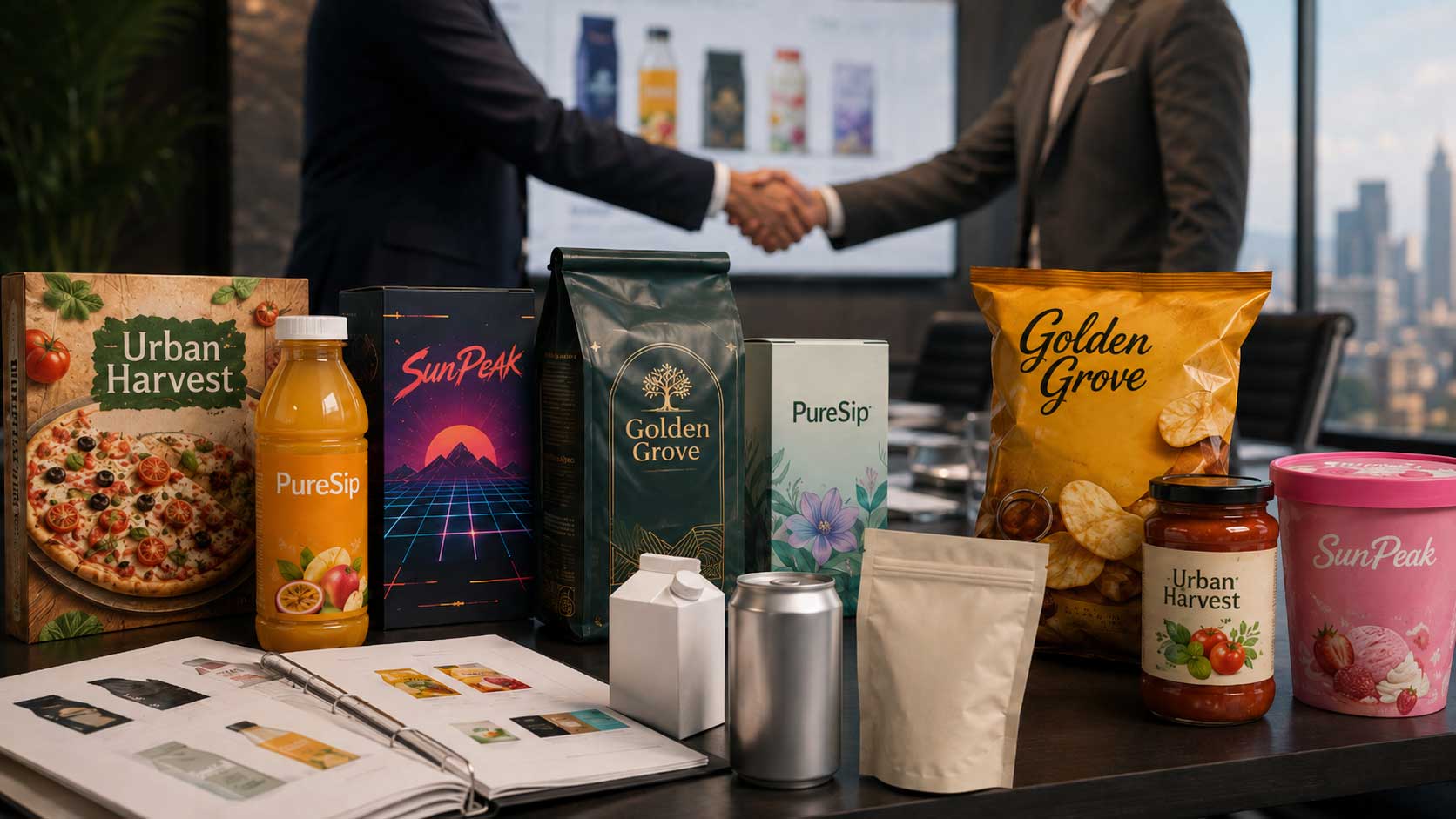
Consumers should instantly recognize a licensed product as part of the parent brand family. When packaging, messaging, or visual identity feels disconnected, trust can erode quickly.
Successful food licensing programs maintain consistency across:
- Packaging design
- Brand messaging
- Product positioning
- Marketing materials
- Retail presentation
A cohesive brand experience helps strengthen recognition and supports stronger performance at retail.
Mistake #4: Failing to Establish Brand Guardrails
One of the biggest risks in brand licensing is losing control of how the brand is represented.
Without clear brand guidelines and approval processes, licensed products can drift away from the standards that made the brand successful in the first place.
Effective licensing programs include guardrails around:
- Product quality
- Packaging standards
- Marketing claims
- Ingredient sourcing
- Brand usage and messaging
These safeguards help protect brand equity while ensuring consistency across every licensed product.
Mistake #5: Prioritizing Short-Term Revenue Over Long-Term Growth
Some brands enter licensing deals focused primarily on immediate royalties or short-term revenue opportunities.
While financial returns are important, the most successful licensing programs are built around long-term brand growth.
Strong licensing partnerships should:
- Strengthen brand recognition
- Increase consumer engagement
- Expand retail opportunities
- Support sustainable revenue growth
- Create opportunities for future category expansion
Taking a long-term view helps brands make smarter licensing decisions and build lasting value.
Building a Stronger Food & Beverage Licensing Strategy
Licensing can unlock significant growth opportunities, but success depends on strategy, partner selection, and brand discipline.
By choosing the right categories, partnering with experienced manufacturers, maintaining consistent branding, and implementing clear guardrails, brands can avoid common mistakes and create licensing programs that drive real results.
At Broad Street Licensing Group, we help food and beverage brands develop strategic licensing partnerships that protect brand integrity while accelerating growth. From identifying the right opportunities to structuring successful licensing agreements, our team helps clients build programs designed for long-term success.