
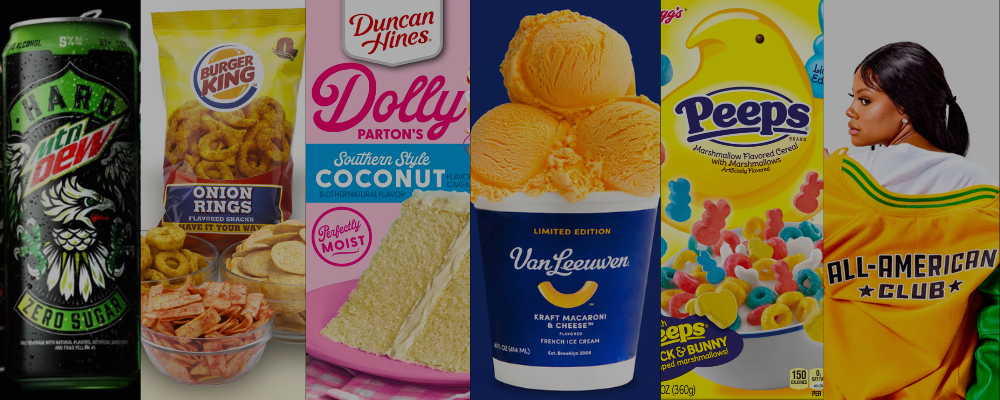
A brand licensing company, also known as a brand licensing agency, helps brand owners expand the reach and value of their intellectual property by connecting them with companies that want to create and sell licensed products.
The agency typically manages the licensing process on behalf of the brand owner, from identifying potential partners and negotiating agreements to overseeing product approvals and royalty management.
Simply put, a brand licensing company helps brands turn their intellectual property into new products, partnerships, and revenue opportunities without having to manufacture those products themselves.
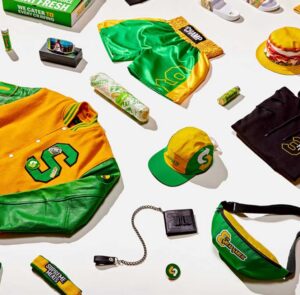 What Does a Brand Licensing Company Do?
Brand licensing companies act as a bridge between brand owners (licensors) and companies that want to use those brands (licensees).
A brand owner may control valuable intellectual property such as:
- Brand names and trademarks
- Logos and visual assets
- Characters
- Artwork
- Celebrity names and likenesses
- Entertainment properties
- Other recognizable intellectual property
Rather than developing every possible product themselves, brand owners can authorize other companies to use their intellectual property through a licensing agreement.
A brand licensing company helps identify, negotiate, manage, and grow these partnerships.
How Does Brand Licensing Work?
Brand licensing generally involves three key participants: the brand owner, licensee, and, in many cases, a licensing agency.
The brand owner, or licensor, owns or controls the intellectual property.
The licensee receives permission to use that intellectual property on specific products or within agreed-upon markets.
The brand licensing agency helps facilitate and manage the relationship.
For example, a consumer products manufacturer might want to produce merchandise featuring a recognizable entertainment, food, sports, or lifestyle brand. Instead of purchasing the brand itself, the manufacturer obtains permission to use its intellectual property under an agreed set of terms.
In exchange, the brand owner typically receives compensation that may include royalties, minimum guarantees, or other licensing fees.
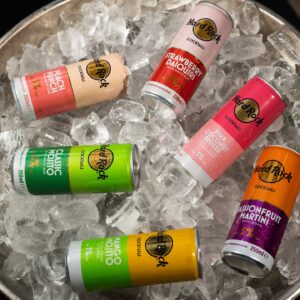 What Services Does a Brand Licensing Company Provide?
The exact responsibilities vary by agency and licensing program, but a brand licensing company may help with:
- Licensing strategy: Identifying categories, markets, and opportunities where a brand can expand.
- Partner identification: Finding qualified manufacturers and other potential licensees.
- Deal negotiation: Establishing licensing terms, territories, product categories, royalty rates, and agreement lengths.
- Contract coordination: Helping structure agreements between licensors and licensees.
- Product and design approvals: Ensuring licensed products follow established brand standards.
- Relationship management: Maintaining communication between brand owners and licensing partners.
- Royalty management: Monitoring licensing revenue and other financial obligations.
- Program growth: Identifying new categories and partnerships that can expand the licensing portfolio.
A licensing agency’s role goes beyond simply introducing two companies. Effective licensing requires ongoing management to protect the brand while creating a commercially successful program.
What Doesn’t a Brand Licensing Company Do?
A brand licensing company typically does not manufacture the licensed products itself.
Instead, the licensee is generally responsible for manufacturing, distributing, and selling the products covered by the licensing agreement.
The licensing company helps establish and manage the partnership while ensuring the use of the brand aligns with the owner’s standards and the terms of the agreement.
This distinction allows brand owners to enter new product categories and markets without building their own manufacturing or distribution infrastructure.
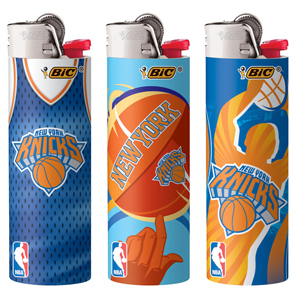 What Are the Benefits of Brand Licensing?
For brand owners, licensing can provide opportunities to:
- Generate additional revenue from existing intellectual property
- Enter new product categories
- Reach new audiences and markets
- Increase brand visibility
- Expand without directly manufacturing every product
- Build long-term strategic partnerships
For licensees, licensing an established brand can provide:
- Immediate brand recognition
- Access to an existing audience
- Increased product differentiation
- Greater consumer familiarity and trust
- New merchandising and marketing opportunities
When the partnership is a strong fit, licensing can create value for both sides while giving consumers new ways to engage with brands they already recognize.
How Do You Choose a Brand Licensing Company?
The right licensing agency should understand both the creative and commercial sides of building a licensing program.
When evaluating a brand licensing company, consider its:
- Experience within your industry
- Existing relationships with manufacturers and retailers
- Track record managing licensing programs
- Understanding of your target consumer
- Ability to identify new categories and opportunities
- Approach to brand protection and approvals
- Experience negotiating and managing licensing agreements
- Ability to support long-term program growth
Most importantly, the agency should understand the brand itself. Successful licensing isn’t simply about placing a recognizable logo on more products. Partnerships should make sense for the brand, the licensee, and the consumer.
Brand Licensing Expertise from Broad Street Licensing Group
Broad Street Licensing Group (BSLG) helps brands build and manage strategic licensing programs across a range of consumer categories.
We work with brand owners to identify licensing opportunities, find the right partners, negotiate agreements, manage approvals, and develop programs designed to extend brands into new products and markets.
For manufacturers and other potential licensees, we help identify opportunities to partner with established brands and navigate the licensing process.
Whether you’re looking to license your brand or license a brand for your products, our team can help you explore the right opportunities.
Contact Broad Street Licensing Group to learn more about our brand licensing services.
Frequently Asked Questions
What is a brand licensing company?
A brand licensing company helps brand owners license their trademarks, names, characters, artwork, and other intellectual property to third-party companies. The agency may help identify partners, negotiate agreements, manage approvals, oversee relationships, and support royalty management.
What is the difference between a licensor and a licensee?
The licensor owns or controls the intellectual property and grants another company permission to use it. The licensee receives that permission and typically uses the intellectual property to manufacture, market, or sell approved products.
How does a brand licensing company make money?
Brand licensing agencies may be compensated through commissions, management fees, or other arrangements associated with the licensing programs they represent. The exact structure depends on the agency and agreement.
What is a brand licensing agreement?
A brand licensing agreement is a contract that establishes how a licensee may use a brand owner’s intellectual property. It can define permitted products, territories, sales channels, agreement length, royalty rates, approval requirements, and other conditions.
Is brand licensing the same as franchising?
No. Brand licensing generally grants permission to use specific intellectual property under defined conditions. Franchising typically involves a broader business relationship that may include the company’s operating model, systems, processes, trademarks, and ongoing operational requirements.