A recognizable brand can create excitement around any food or beverage product, but the brand alone doesn’t always determine success. Behind every strong licensing program is a manufacturing partner capable of bringing the product to life in a way that protects quality, supports retail expectations, and delivers on the brand promise.
With all food and beverage brand licensing programs, the right manufacturing partner makes all the difference between a promising idea and a successful retail program.
Brands need partners they can trust. Manufacturers need brands that fit their capabilities. Retailers require confidence that the product can perform. When all of these pieces align, licensing can create meaningful growth for everyone involved.
A Great Brand Still Needs Great Execution
Brand recognition can open doors, but execution keeps those doors open.
A licensed food or beverage product must meet consumer expectations from the first purchase. If shoppers recognize the brand but the product does not deliver on taste, quality, packaging, or value, the opportunity can lose momentum quickly.
This is why manufacturing matters so much.
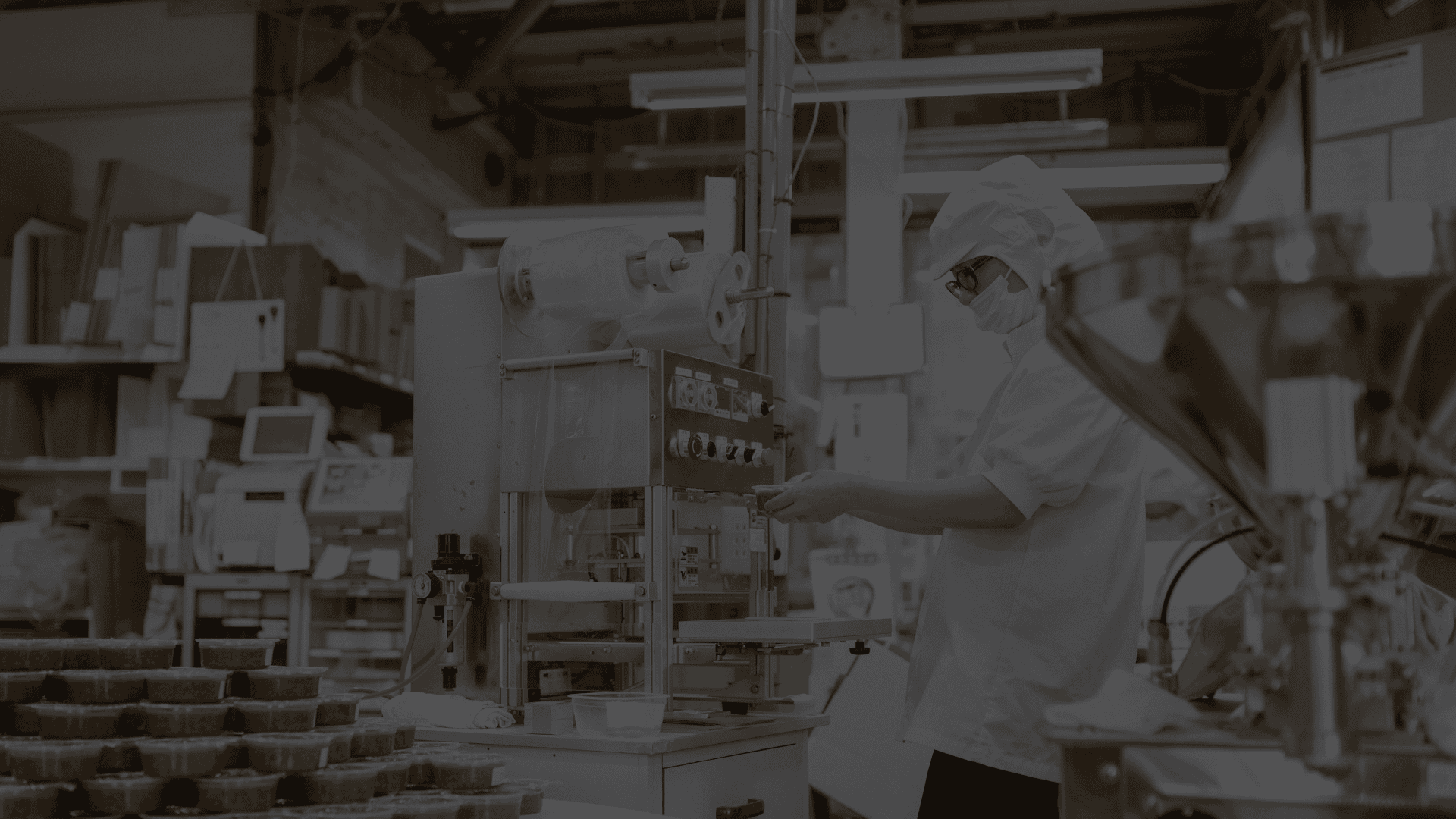
The manufacturer is responsible for turning the brand concept into a real product that can succeed in the retail environment. That includes product development, ingredient sourcing, production quality, packaging coordination, compliance, scalability, and consistency.
A great licensing idea needs a partner that can execute it properly.
Product Quality Protects Brand Equity
When a consumer buys a licensed product, they connect that experience to the brand on the package. If the product is excellent, it can strengthen the brand relationship. If the product disappoints, it can damage trust.
For brand owners, this makes partner selection critical.
A licensed product should reflect the standards, personality, and expectations associated with the brand. Whether the product is a sauce, snack, frozen item, seasoning, beverage, dessert, or meal solution, it must feel authentic to the consumer.
The right manufacturing partner understands that they are not simply producing another item. They are helping represent the brand in a new category.
Retailers Look for Reliability
Retail buyers are not only evaluating the brand and product concept. They are also evaluating whether the program can be supported operationally.
Retailers need to know that the manufacturer can produce consistently, meet deadlines, maintain quality, support distribution, and handle demand if the product gains traction. If a product performs well but supply cannot keep up, it creates problems for everyone involved.
Reliability is especially important in food and beverage categories, where shelf space is competitive and retailers expect strong execution.
A capable manufacturing partner helps give retailers confidence that the licensed product is not just exciting, but also manageable and scalable.
Manufacturers Need the Right Brand Fit
Licensing is not only about brands choosing manufacturers. Manufacturers also need to choose licensing opportunities carefully.
The right brand can help a manufacturer stand out, create a stronger retail pitch, and enter conversations with a more differentiated product. But the brand must fit the manufacturer’s category expertise, production capabilities, pricing structure, and retail goals.
A mismatch can create challenges. For example, a manufacturer may be excited about a recognizable brand, but if the product format does not align with their capabilities or the category economics do not work, the program may be difficult to sustain.
The best licensing partnerships are built around mutual fit. The brand brings recognition and consumer connection. The manufacturer brings product expertise and retail execution. Together, they create an opportunity that is stronger than either side could build alone.
The Product Must Feel Authentic
One of the most important questions in food and beverage licensing is whether the product feels authentic to the brand.
Consumers can tell when a licensing program feels forced. They are more likely to respond when the connection makes sense. A restaurant known for signature sauces extending into retail condiments may feel natural. A brand known for bold flavor entering a snack or seasoning category may be easy to understand. A beverage brand expanding into related flavor experiences may create a clear consumer connection.
The manufacturer plays a key role in bringing that authenticity to life. Product development must capture the qualities consumers associate with the brand while still working within the realities of retail production.
Authenticity is not just a branding issue. It is a product issue.
Packaging and Production Must Work Together
A licensed product needs packaging that attracts attention, communicates clearly, and supports the brand identity. But packaging also needs to work from a production and retail standpoint.
The manufacturer must be able to support packaging formats that fit the category, protect the product, meet retailer requirements, and communicate the licensing connection effectively.
This is another reason alignment matters. A strong product can be weakened by packaging that does not fit the brand or fails to stand out. A strong brand can be weakened by packaging that overpromises or confuses the shopper.
The right manufacturing partner understands that packaging, production, and brand presentation are all connected.
Scalability Should Be Considered Early
A licensing program should be built with growth in mind. Even if a product starts with a smaller retail launch, the partners should consider what happens if demand increases.
Can the manufacturer scale production? Can quality remain consistent? Can supply meet retailer expectations? Can the program expand into additional regions, formats, or categories?
Thinking through these questions early can help prevent problems later. A licensing program that cannot scale may limit the opportunity for the brand, the manufacturer, and the retailer.
Building Stronger Licensing Partnerships
Food and beverage licensing works best when every partner understands their role. The brand brings awareness, equity, and consumer connection. The manufacturer brings product knowledge, production capability, and category expertise. The licensing agency helps align those strengths into a program that can make sense for the retail market.
Broad Street Licensing Group helps connect brands and manufacturers in ways that support long-term retail success. BSLG understands that strong licensing programs require more than brand recognition. They require partner alignment, product strategy, retail understanding, and execution.
For brand owners, BSLG helps identify manufacturing partners that can protect brand equity while bringing products to market. For manufacturers, BSLG helps uncover brand licensing opportunities that fit their capabilities and strengthen their retail position.
The right partnership can create value on both sides. Brands gain new retail opportunities. Manufacturers gain differentiation and access to established consumer awareness. Retailers gain products with stronger stories and clearer shelf appeal.
Whether you are a brand looking for the right manufacturing partner or a manufacturer seeking stronger licensing opportunities, Broad Street Licensing Group helps build partnerships designed for long-term retail success.
Contact Broad Street Licensing Group today to explore how the right licensing partnership can bring your next food or beverage opportunity to life.